

Our latest article explores what water can teach us about tackling complex challenges at their source, through nature-based solutions, collaboration and patient capital. Read the case study of Cape Town's water crisis and discover how "slow" philanthropy can help build resilience for the long term.
What does it take to tackle a complex challenge at its source? In the case of water, the answer may lie far upstream - in protecting watersheds, restoring ecosystems, and bringing communities and stakeholders together. But solutions like these take time, expertise, and patient capital. This is where venture philanthropy can play a distinctive role. Through flexible, long-term funding, capacity building and access to networks, it can help organisations strengthen their capabilities and build the partnerships needed to shift systems over time.
The collaboration between LGT Venture Philanthropy (LGT VP), and The Nature Conservancy's (TNC) Nature For Water program (N4W) illustrates this approach. N4W supports local partners to develop and scale nature-based solutions to water challenges, combining technical expertise with local knowledge, stakeholder engagement, and innovative financing. The response to Cape Town's "Day Zero" water crisis offers a powerful example of how long-term resilience required looking upstream - at the ecosystems that influence the city's water supply. It shows how upstream thinking, cross-sector collaboration, and patient philanthropy can create the conditions for lasting systems change.
To start, it is worth looking at what LGT Venture Philanthropy (LGT VP) brings to its partnerships and why its collaboration with N4W and TNC goes beyond funding alone.
LGT VP provides partners with three complementary forms of support. First, financial capital through multi-year, flexible grants that give organisations the resources and time they need to strengthen and scale their work. Second, human capital, i.e. strategic and specialist support from LGT VP, in this case through taking on an advisory board role within N4W and contributing expertise where it can have the greatest value. And third, access to networks, opening doors to new relationships, introductions and opportunities that can help partners expand their reach and influence.
Together, these three elements reflect a simple but important belief: money alone does not create lasting change. Sustainable scale depends on the people, capabilities and relationships behind solutions. By combining funding with targeted expertise, capacity-building and access to networks, we strengthen organisations by building on what they already do well, and creating the conditions they need to achieve lasting impact at scale.
Almost half of the world's drinking water sources are severely degraded, which affects how much, how clean, and when water reaches communities and cities. Thinking about freshwater in a river involves looking at its catchment or watershed - the places that water comes from and goes to. In that sense, each river and its watershed are their own place-based systems case study.
To restore and protect a watershed involves placing particular importance on local stakeholder management, dialogue and facilitation, and community engagement; with the addition of complex science, economics, and hydrology modelling to help prioritise actions, build trust, and raise funding. In other words, a thoughtful mixture of both the "what" and the "how" as enablers of change. Together, these form the glue that can hold a watershed coalition together. These elements were combined to launch "Nature for Water" (N4W), an innovative technical assistance facility housed within TNC and supported by LGT VP and other funders. N4W brings these various components together to support local partners in delivering nature-based solutions to watershed challenges around the world.
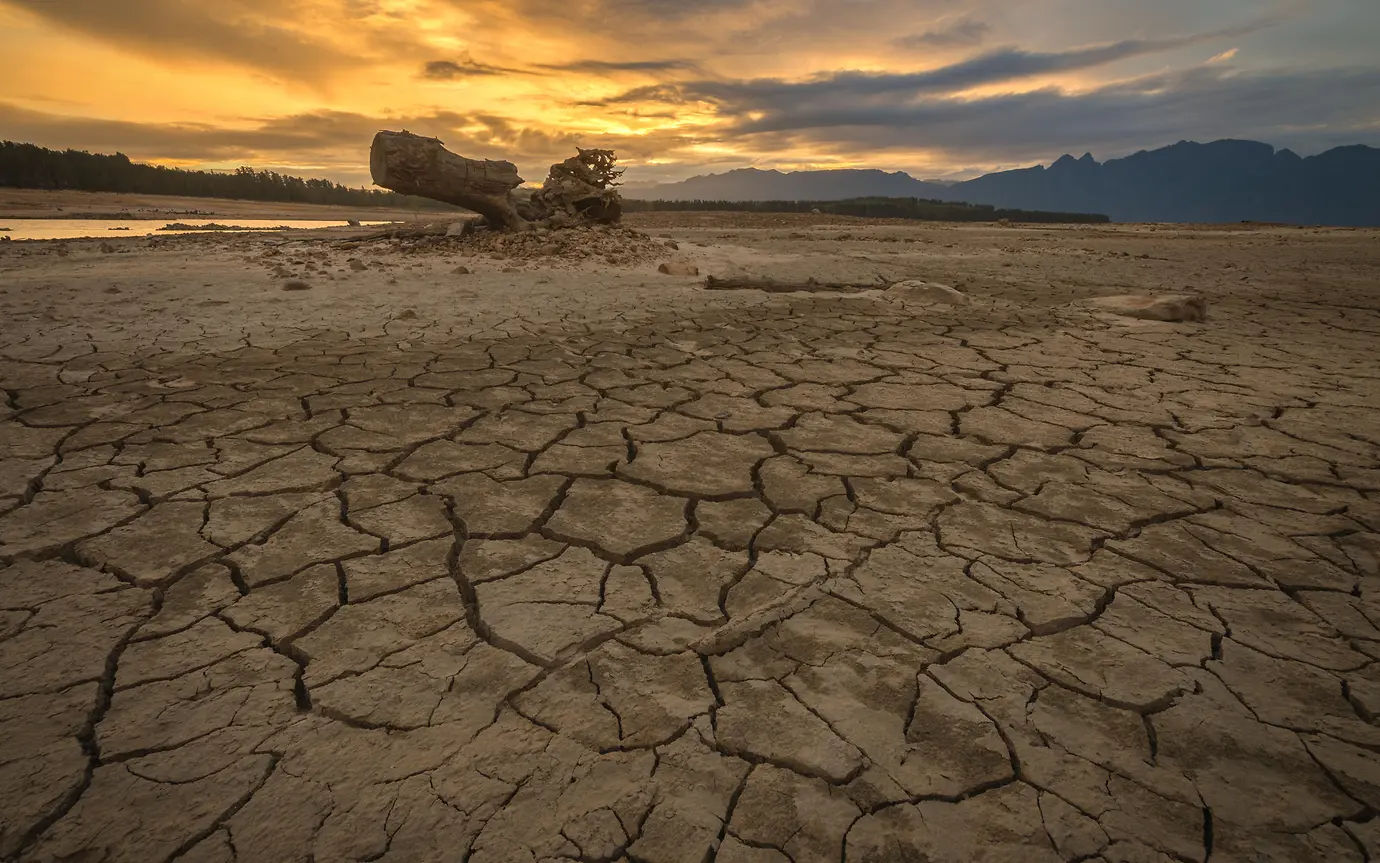
In the mid-2010s, Cape Town, then a city of about 4 million people, came dangerously close to running out of water. The crisis, known globally as 'day zero', was driven by several factors, including climate change. It was managed through severe demand restrictions and emergency water supplies to the most critical areas. Thankfully, heavier rains in the second half of 2018 helped the acute phase pass.
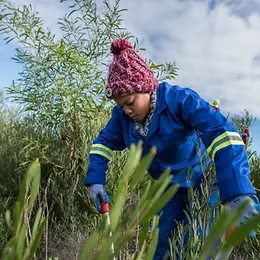
In response, policymakers and others looked for ways to reduce the risk of future water crises. Work by TNC showed that invasive plants such as pine, eucalyptus and wattle were disrupting the hydrological cycle in Cape Town’s main catchments. Removing these plants could return significant volumes of water to the city at roughly one tenth of the unit cost of alternatives such as desalination.
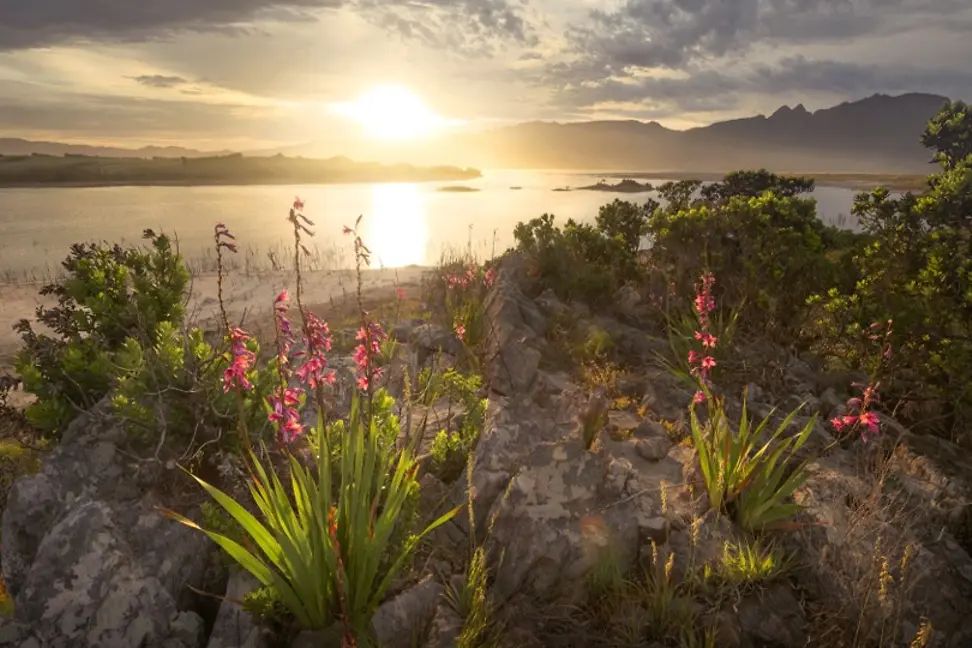
Catchment restoration also brings important biodiversity and social benefits. The Cape's geography makes it one of the world's six Floristic Regions, home to many endemic fynbos and other species that were being crowded out by invasive plants. Scaling up restoration work, including in remote mountainous areas, also supports local suppliers and creates skilled green jobs.
Together, the water, biodiversity and livelihood benefits helped bring a coalition together. Led by TNC South Africa, with private, public and philanthropic partners, the Greater Cape Town Water Fund has restored more than 40,000 hectares of priority catchment land over the past seven years, returning an estimated 34 billion litres of water to Cape Town's system each year. A publicly available dashboard, updated monthly, tracks its progress and impact.
In April 2026, TNC South Africa, with support from N4W and in collaboration with Rand Merchant Bank and Conservation Alpha, announced a first-of-its-kind 'outcomes-based bond' that ties investor returns to verified outcomes on the ground. As well as securing funding for the next five years of the work in Cape Town - further embedding systems change in the landscape - this also offers a model that can be adapted elsewhere.
N4W's mission is to change the way humans invest in nature, by helping design, establish, and scale the next generation of programmes like the Greater Cape Town Water Fund. Sometimes N4W supports other TNC initiatives, such as in Cape Town. But the majority of its support goes to local programmes that are external to TNC, across the globe. Each of these local programmes is inherently unique, shaped by its specific circumstances, structure, and objectives, and therefore requires a unique solution to local systems change. For this solution to be sustainable, it requires dedicated time to ideate, establish and scale. And by supporting successful systems change in a series of local places around the world, we hope to also catalyse systems change globally.
To close with a reflection: water-based systems change strikes us as an example of the benefits of "slow philanthropy". Different problems require different approaches to problem-solving. On the one hand, in response to a disaster, urgent financial resources are the focus to address the immediate aftermath of a traumatic event. In contrast to this, when it comes to moving upstream to tackle an issue at source, the process is slower and can take years to be fully realised. In the context of Cape Town, this is the difference between providing emergency water supply during the acute phase of the crisis, and implementing longer term changes in key catchment areas, in some cases quite far from the city itself, that help prevent or mitigate crises in the future.
Patient and slower philanthropy can be that upstream catalyst for change, supporting the early stage scientific and methodical work which can transform how problems are solved, and funding the people who form and help to keep collaborations together.